Blog / Mandan Cadillac Dealer

Why the Cadillac CT5-V Blackwing Still Defines Performance

Performance comparisons between the Cadillac CT5-V and CT5-V Blackwing often start with horsepower, but that number alone does not explain how these two sedans actually feel on the road. The real question is what separates them in motion. Does more power change how the car responds, or does it change how the driver interacts with it? Understanding the difference requires looking at how each system is engineered to deliver performance. The Cadillac CT5-V and CT5-V Blackwing are both built as performance sedans, but they are designed for different types of drivers and different interpretations of performance.

How Cadillac V and Blackwing Performance Systems Differ

What separates the Cadillac CT5-V from the CT5-V Blackwing? Cadillac V and Blackwing represent two different performance tiers within the same platform. The CT5-V is engineered as a performance luxury sedan that balances speed, comfort, and control. The CT5-V Blackwing is engineered as a high performance system that prioritizes maximum output and driver engagement.

This distinction starts at the system level. The CT5-V integrates performance into a broader luxury experience, while the CT5-V Blackwing builds the vehicle around performance as the primary objective. That shift affects how power is delivered, how the chassis responds, and how the driver interacts with the vehicle.

The difference can be understood through how each model approaches performance:

  • The Cadillac CT5-V focuses on controlled performance that remains consistent in daily driving
  • The CT5-V Blackwing focuses on peak performance capability and driver input
  • The CT5-V integrates comfort and responsiveness into a balanced system
  • The Blackwing emphasizes raw output and direct control

For a buyer, this means the comparison is not just about which one is faster. It is about which one aligns with how you want performance to feel during ownership.

How CT5-V Blackwing Power Delivery Changes the Driving Experience

Does more horsepower change how the Blackwing actually drives? Horsepower is the measure of how much power the engine can produce over time, and in the CT5-V Blackwing, that power is delivered through a supercharged engine. A supercharged engine uses mechanically driven air compression to force more air into the engine, increasing power output immediately as the throttle is applied.

The result is a different type of acceleration. The CT5-V Blackwing delivers power with immediate response, meaning the vehicle reacts quickly to driver input without delay. Torque is the rotational force that moves the vehicle forward, and in the Blackwing, torque is delivered in a way that creates strong acceleration even at lower speeds.

This changes how the car feels in real driving situations:

  • Acceleration is immediate and forceful when throttle input increases
  • Power delivery remains consistent across a wide range of speeds
  • Driver input directly influences how the vehicle responds
  • The engine feels active rather than passive during driving

For drivers, this creates a more engaged experience. The Cadillac CT5-V Blackwing is not only about higher output. It is about how that output is accessed and controlled during driving.

Why CT5-V Performance Feels Different in Everyday Driving

Is the CT5-V still a true performance sedan? The Cadillac CT5-V uses a different approach to performance, focusing on balance rather than maximum output. This means the vehicle is engineered to deliver performance in a way that integrates smoothly into everyday driving.

The CT5-V provides controlled acceleration, predictable handling, and a driving experience that remains composed in a variety of conditions. Instead of emphasizing peak power, it emphasizes how performance can be used consistently.

This creates a different ownership experience:

  • Power delivery is smoother and more progressive
  • The vehicle remains stable during normal driving conditions
  • Performance is accessible without requiring constant driver input
  • Comfort and control remain integrated with performance

For many drivers, this balance is what defines usable performance. The CT5-V does not aim to match the Blackwing’s extremes. It aims to provide a performance experience that fits into daily routines without compromise.

How Chassis, Suspension, and Control Separate the Two Models

How do suspension and handling differ between CT5-V and Blackwing? The chassis and suspension systems determine how the vehicle responds to movement, including acceleration, braking, and cornering. These systems define how controlled the vehicle feels under different conditions.

The CT5-V is tuned to provide a balance between comfort and handling. Its suspension absorbs road imperfections while maintaining stability, which supports both daily driving and moderate performance use.

The CT5-V Blackwing uses a more aggressive tuning approach. Its suspension is designed to maximize control and precision, which becomes more noticeable during higher speed driving and sharper inputs.

The differences can be understood through how each system behaves:

  • CT5-V suspension prioritizes balance between comfort and responsiveness
  • Blackwing suspension prioritizes precision and control under load
  • CT5-V maintains composure across varied driving conditions
  • Blackwing responds more directly to driver input and road feedback

These differences affect how the driver experiences the road. The CT5-V feels controlled and refined, while the Blackwing feels more immediate and connected.

How to Decide Between CT5-V and CT5-V Blackwing

Which Cadillac performance sedan fits your driving style? The decision comes down to how you want to experience performance during ownership. Both models deliver performance, but they deliver it in different ways.

The Cadillac CT5-V Blackwing is designed for drivers who want maximum engagement, immediate response, and a performance experience that feels intense. The Cadillac CT5-V is designed for drivers who want performance that integrates into everyday driving without requiring constant attention.

To evaluate which fits your needs, consider how you drive:

  • Do you want performance that is always active or performance that adapts to your routine
  • Do you prioritize peak output or balanced usability
  • Do you want a vehicle that feels aggressive or one that feels composed
  • Do you plan to use performance occasionally or consistently

The key difference is not whether one is better. It is how each model defines performance. The CT5-V Blackwing represents performance at its highest level, while the CT5-V represents performance that can be used every day. That distinction is what defines the decision.
Posted in:

Related Posts

Cadillac Oil Change Service

Cadillac Oil Change Intervals: Why They’re Different From What You Might Expect

If you grew up hearing "change your oil every 3,000 miles," you’re not alone. But modern Cadillac vehicles don’t follow a fixed mileage rule. Instead, Cadillac oil change intervals are determined by an intelligent system built right into the vehicle called an Oil Life Monitor, and understanding how it works can save you both time and money. For the luxury vehicle drivers of Mandan, North Dakota, who want their Cadillacs to run like the day they drove off the lot, here’s a quick guide. How the Cadillac Oil Life Monitor Works The Oil Life Monitor isn’t a sensor that directly measures the oil itself. Instead, it’s a sophisticated algorithm that tracks driving conditions in real time. The system considers factors such as engine temperature, trip length, speed, and how hard the engine has been working to calculate how much useful life remains in your oil, specifically. When the monitor determines that oil life has dropped to around 15%, a message appears on your instrument panel prompting you to schedule service. This approach means your Cadillac oil change intervals are tailored specifically to how you drive—not based on an arbitrary number on a sticker. Fixed Mileage vs. Oil Life Monitor: What’s the Difference? A fixed-interval approach assumes that every driver puts the same kind of stress on their engine, which simply isn’t the case. Short trips in cold weather deplete oil faster than long highway drives, for instance. The Oil Life Monitor accounts for these differences automatically. For drivers who primarily commute through stop-and-go traffic, the system may recommend service sooner. For those who log mostly highway miles under moderate conditions, Cadillac oil change intervals may extend further. Either way, you are getting a recommendation based on your actual driving habits rather than a one-size-fits-all estimate. What Happens If You Ignore the Alert Skipping an oil change after the monitor has signaled it’s time can lead to reduced engine lubrication, increased wear, and potentially costly repairs. You might notice slower acceleration, rougher idling, or even decreased fuel economy. Degraded oil loses its ability to protect metal components, and over time that damage adds up. It’s always best to schedule service promptly once the alert appears. For drivers across the Mandan, ND, area, keeping up with your Cadillac oil change in Mandan, ND, is straightforward when you have a trusted service team nearby. Choosing the Right Oil for Your Cadillac Most current Cadillac models require full synthetic motor oil, which is designed to hold up longer and perform better across a wide range of temperatures and conditions. Using the correct oil specification is essential for the Oil Life Monitor to work as intended. Your service documentation or owner's manual will list the approved oil type and viscosity for your specific vehicle. Visit Schwan Cadillac for Your Next Oil Change Whether your monitor just triggered an alert or you simply want to stay ahead of your maintenance schedule, the service team at Schwan Cadillac is ready to help. Located in Mandan, ND, you can count on our trained technicians to know your vehicle inside and out and use Cadillac-specific engine oil. Understanding Cadillac Oil Change Intervals Puts You in Control Cadillac oil change intervals powered by the Oil Life Monitor represent a smarter, more personalized approach to vehicle maintenance. Rather than guessing or following outdated rules, your Cadillac tells you exactly when it needs attention. Stay connected to your vehicle's alerts, use the right oil, and trust a qualified service center to keep your Cadillac running at its best. Visit Schwan Cadillac to schedule your next service appointment today.

2026 Cadillac CT5

2026 Cadillac CT4 vs CT5: Which Luxury Sedan Is Right for You?

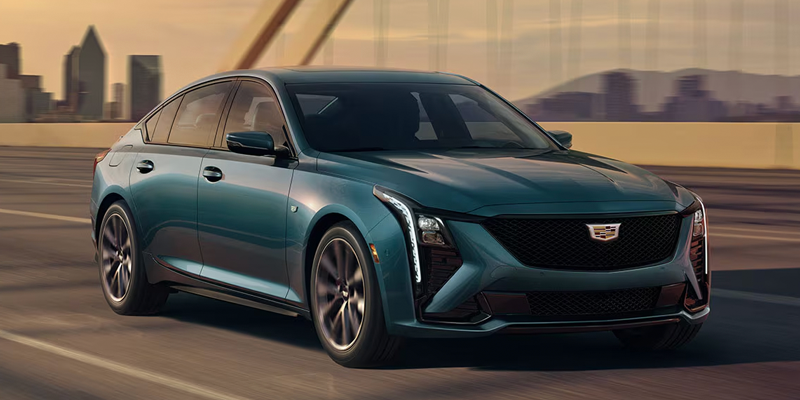
If you're shopping for a luxury sedan in Mandan, ND, you are very likely considering the 2026 Cadillac CT4 vs CT5. Both models deliver the craftsmanship and technology Cadillac is known for, but they do have their differences. Understanding what sets them apart can help you make a more confident choice before visiting Schwan Cadillac. 2026 Cadillac CT4 Sport: Compact, Connected, and Confident The 2026 Cadillac CT4 is the more compact of the two sedans, making it a natural fit for drivers who want agility without sacrificing style. The Sport trim leans into a more driver-focused character, with sporty styling cues and a cabin designed to feel responsive and engaging. It's powered by a 2.0L twin-scroll turbocharged I4 engine with 237 hp and 258 lb-ft of torque. With an 8-speed automatic transmission. It is equipped with an 8-in color touchscreen, wireless phone charging, heated seats and steering wheel, 18-in alloy wheels with pearl nickel finish, 18-way front seats with sprot bolsters, a thick rim steering wheel with alloy paddle shifters, and allow pedals. 2026 Cadillac CT5 Premium Luxury: Space, Comfort, and Presence The 2026 Cadillac CT5 steps up with a longer wheelbase, more rear passenger space, and a cabin oriented around comfort and quiet refinement. In the Premium Luxury trim, you get a 33-in Horizon Display™, 5G wi-fi hotspot connectivity, Super Cruise® hands free driving technology, Heated, Ventilated and Massaging Front Seats and Heated Steering Wheel, HD Surround Vision, and enhanced automatic parking assist The CT5 is powered by the same 2.0L turbocharged I4 engine with 237 hp and 258 lb-ft of torque. Key Differences to Consider The biggest factors separating these two sedans come down to size, intent, and trim character. The CT4 Sport emphasizes driving engagement in a nimbler package. The CT5 Premium Luxury prioritizes passenger comfort and a more relaxed feel. This Cadillac sport sedan comparison also reveals differences in interior space and overall road presence. The CT5 carries itself with more visual authority, while the CT4 turns in tight spaces and moves with a lighter touch. Your everyday lifestyle - whether you're navigating city streets or cruising open highways - should guide your decision between the two. Which 2026 Cadillac Sedan Is the Better Fit for You? There's no wrong answer when choosing between the 2026 Cadillac CT4 vs CT5. Both models represent luxury without compromise. If you prioritize an engaging, sporty feel in a more compact form, the CT4 Sport delivers exactly that. If you want more space, comfort, and a premium cabin experience, the CT5 Premium Luxury is hard to beat. Visit Schwan Cadillac to Experience Both Models The best way to settle the 2026 Cadillac CT4 vs CT5 debate is to experience both in person. Stop by Schwan Cadillac or visit us online to browse current inventory, ask questions, and schedule a test drive. If you're drawn to the CT4 Sport's spirited character or the CT5 Premium Luxury's presence, the team at Schwan Cadillac is ready to help you find the right fit.

AWD Vehicles For Sale

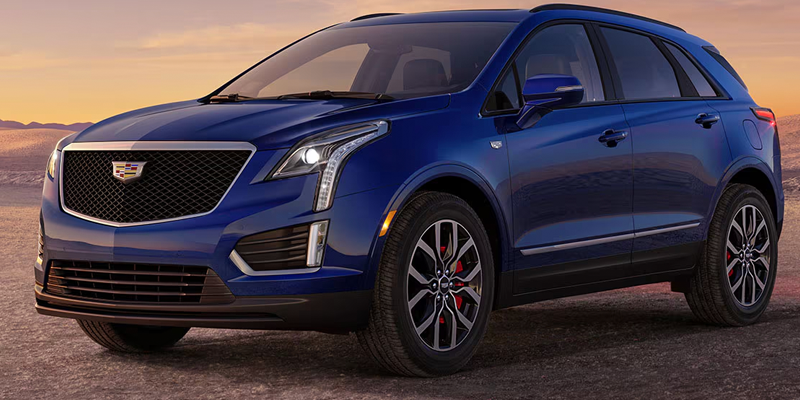
Do AWD Vehicles Need Winter Tires? What Cadillac Drivers Should Know

It's a question that comes up every fall: do AWD vehicles need winter tires, or does all-wheel drive handle everything on its own? It's an understandable assumption that AWD handles everything without winter tires - after all, AWD sounds like it should cover all conditions. But if you're driving in Mandan, ND, where temperatures drop fast and snow can come early, the answer is important. AWD and winter tires each do a very different job. Understanding both can help you stay safer and get more out of your Cadillac this season. What All-Wheel Drive Actually Does All-wheel drive is designed to improve traction by sending power to all four wheels instead of just two. This is especially helpful when accelerating from a stop or when one wheel begins to slip on a slick surface. AWD systems can redistribute torque automatically to help you get moving and maintain forward momentum. What AWD does not do is help you steer or stop faster. Once you're moving, traction control and AWD have limits. Braking and cornering still depend heavily on your tires. What Winter Tires Are Designed to Do Winter tires are engineered specifically for cold-weather performance. The rubber compound stays flexible at low temperatures, which helps maintain contact with the road. They also feature deeper tread patterns that grip snow and ice more effectively. This means a vehicle equipped with winter tires will stop shorter and corner with more control on icy roads than the same vehicle running all-season tires. That advantage applies regardless of whether the vehicle has AWD, front-wheel drive, or rear-wheel drive. Why AWD Drivers Still Benefit From Winter Tires AWD can give you a false sense of security in winter conditions. The system helps you accelerate, but it cannot compensate for tires that are not designed for cold and snow. A Cadillac LYRIQ or XT5 with AWD and all-season tires may get moving more easily than a two-wheel-drive vehicle but stopping distance and handling response will still be limited by the tires. Pairing AWD with a dedicated winter tire is the most complete approach to cold-weather driving. You get the benefits of power distribution and the grip performance that only winter-specific rubber can provide. AWD Cadillac Models to Consider Cadillac offers several AWD-equipped models well suited to North Dakota winters. The LYRIQ and VISTIQ both offer AWD configurations, while the Escalade and XT5 are popular choices for drivers who want capability and comfort through colder months. Each of these vehicles provides a strong foundation. But pairing any of them with the right winter tires will help you get the most out of that capability when roads get slippery. Visit Schwan Cadillac to Prepare for Winter If you're asking if AWD vehicles need winter tires, the short answer is yes - at least if you want the most complete winter driving performance available. AWD handles acceleration and power distribution, while winter tires handle grip, steering response, and braking. Drivers throughout Mandan, ND can explore AWD-equipped Cadillac models and learn more about winter tire options by stopping by Schwan Cadillac or visiting us online. If you're shopping for a new vehicle or preparing your current Cadillac for the season, the team at Schwan Cadillac is ready to help.